
Trends & News
The Technician Shortage: Why Shops Can't Find Techs (and What's Changing)

Meiket Team · November 22, 2026
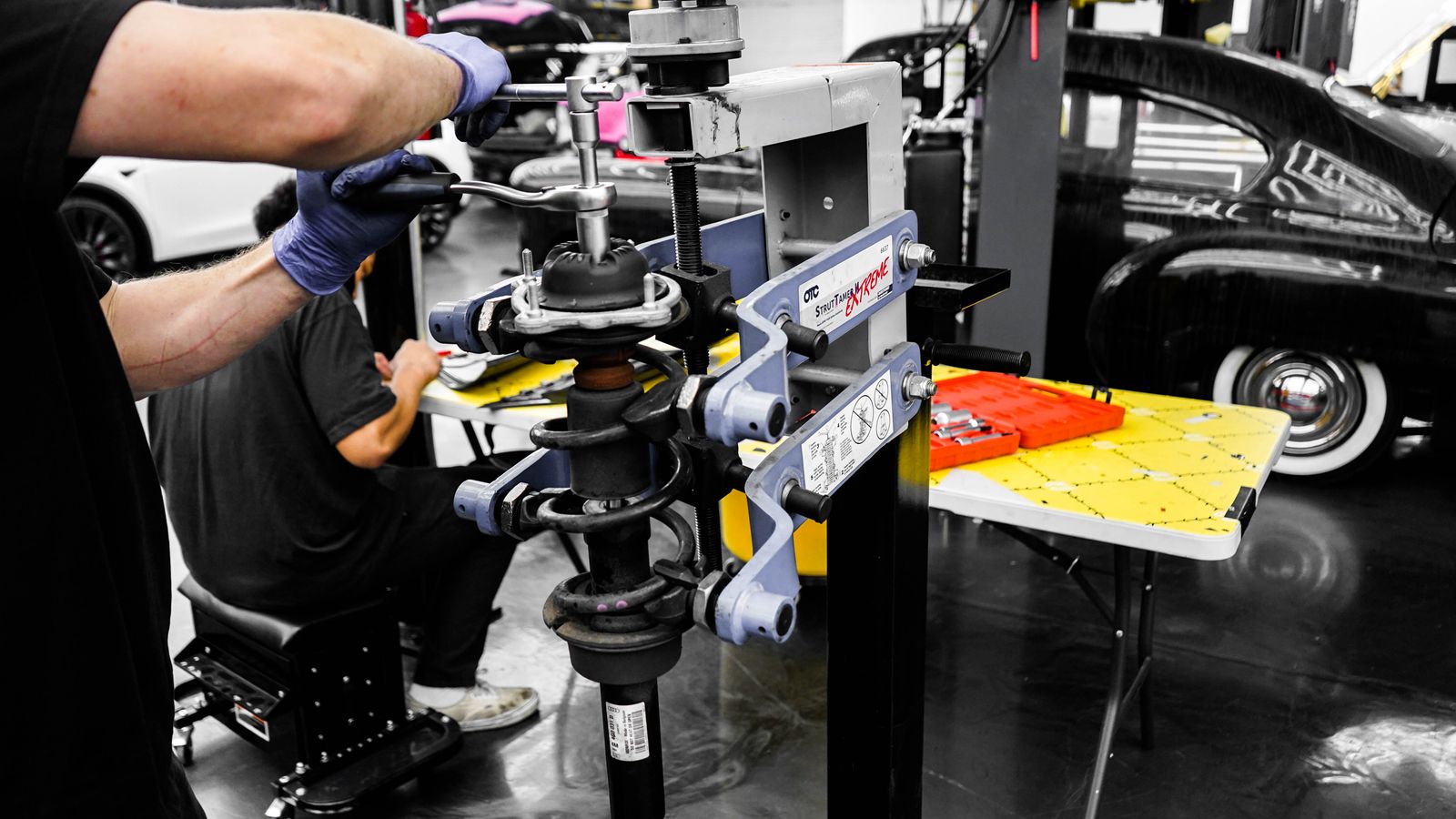
You’ve posted the job for weeks, raised the pay twice, and the applications still aren’t coming. Meanwhile a bay sits empty on a Tuesday morning, not because there’s no work, but because there’s nobody qualified to put in it. If that’s where your shop is right now, the problem isn’t your hiring process — it’s a real, measurable, industry-wide shortage, and it’s worth understanding the actual numbers before you decide what to do about it.
How bad is the shortage, really?
The U.S. Bureau of Labor Statistics projects about 66,200 job openings a year, on average, for automotive service technicians and mechanics from 2025 to 2035 — and the occupation is expected to grow 5% over that period, faster than the average for all jobs. Critically, the BLS breaks down why those openings exist: the overwhelming majority aren’t new positions being created. They’re techs retiring or leaving the trade entirely, and shops having to replace them just to stay at the same headcount.
The TechForce Foundation, which tracks the technician pipeline specifically (not just job openings), puts a number on the gap between demand and supply for light-duty automotive technicians: a 29% supply gap — meaning the industry is training and graduating roughly 7 in 10 of the technicians it actually needs, not 10 in 10. That gap is worse in some adjacent trades (collision repair and diesel both show larger shortfalls), but 29% is already enough to explain why a req that used to fill in three weeks now sits open for three months.
Put plainly: this isn’t a “your shop specifically has a hiring problem” situation. It’s a structural one, and it’s been building for years.
Why there’s a shortage in the first place
A few forces are stacking on top of each other:
- An aging workforce retiring faster than it’s replaced. A large share of experienced techs are at or near retirement age, and the pipeline of new entrants hasn’t kept pace — which is exactly what the BLS breakdown shows: most “openings” are replacement demand, not growth.
- Fewer young people entering the trades at all. Years of steering high schoolers toward four-year degrees instead of vocational training shrank the pool of people who even consider becoming a technician as a career path.
- The job got technically harder, and pay didn’t always keep up. Diagnosing a modern vehicle with dozens of onboard computers, ADAS sensors, and increasingly hybrid/EV drivetrains takes real training — a 2026 technician needs to know far more than a 2006 one did. In a lot of markets, starting pay hasn’t scaled with that complexity, which makes the trade a harder sell against other skilled-labor options.
- Tool and equipment cost is a real barrier. Technicians in many shops are still expected to buy and maintain their own tools — a cost that can run into the tens of thousands of dollars over a career, and a real deterrent for someone weighing career options at 19.
None of these are problems a single independent shop owner can fix on their own. But understanding which ones are actually moving is useful, because it tells you where change — and opportunity — is coming from.
What’s actually changing
The shortage isn’t being ignored. A few shifts are underway that matter for independent shops specifically:
- Trade schools and community colleges are expanding automotive programs, often with manufacturer-backed curriculum for EV and hybrid systems specifically, since that’s where the biggest skills gap is opening up.
- OEMs are running their own technician academies (dealership-focused, but it widens the overall pipeline over time) to train people faster on the systems their vehicles actually use.
- Apprenticeship and earn-while-you-learn models are getting more attention as an alternative to the “go to school first, get hired later” pipeline — letting a shop bring someone on as a helper and train them up over a year or two instead of waiting for a fully-formed hire to apply.
- More shops are actively recruiting from outside the traditional pipeline — career-changers, military veterans with mechanical backgrounds, and women entering the trade in numbers that have historically been very small.
None of this closes a 29% gap overnight. But it does mean the shops that start building relationships with local schools and apprenticeship programs now are positioning themselves ahead of shops that keep relying only on job board postings.
What this means for your bay schedule right now
With fewer qualified techs available, the practical reality for most independent shops is that capacity is the constraint, not demand. You’re not short on customers — you’re short on hours you can actually bill, because there aren’t enough hands to fill every bay every day.
That changes what “running efficiently” means. It’s no longer just about keeping bays full — it’s about making sure the techs you do have aren’t losing time to things that have nothing to do with wrenching: chasing down approval on an estimate, re-explaining status to a customer who already called twice, or redoing a job because a note got lost between the counter and the bay. Every minute a tech spends on admin friction instead of billable work makes the shortage hurt more than it has to.
Important: a shortage of techs makes the cost of a bad handoff between counter and bay more expensive, not less — there are fewer tech-hours to waste on rework or miscommunication than there used to be.
What independent shops can do about it today
You can’t fix the national pipeline. You can control how your shop competes for, and keeps, the techs who are out there:
- Pay and transparency matter more than ever. In a market this tight, a tech who feels undervalued has real options elsewhere. Clear, competitive pay — and clear communication about how it’s set — reduces the chance a good hire walks after six months.
- Reduce the non-wrenching workload on your techs. If a tech is also acting as de facto service advisor — fielding calls, explaining status, chasing approvals — that’s time not spent on repairs, and it’s a quiet reason good techs burn out. Keeping that handoff clean between the counter and the bay (one record, one source of truth, instead of a tech needing to track down what the customer approved) keeps techs doing the job they were hired for.
- Build a relationship with a local trade school or community college program before you need a hire. Shops that show up to career days, offer shadow days, or take on an apprentice or two tend to have a warmer pipeline than shops that only post a job ad when a position opens.
- Consider non-traditional candidates seriously. Career-changers and apprentices take longer to ramp up, but in a market this tight, “trainable and reliable” is a real asset, not a compromise.
- Don’t let a thin team mean a chaotic one. When you have fewer techs, every one of them matters more — and a shop running on scattered notes and guesswork wastes a scarce resource that was already hard to replace.
Is this a temporary problem or a permanent shift?
Realistically, permanent — or at least long-running. The BLS projection window runs through 2035, and the underlying drivers (an aging workforce, the technical complexity of modern vehicles, years of underinvestment in trade-school pipelines) don’t reverse in a year or two. Shops that treat this as a one-time hiring crunch to wait out are likely to keep feeling the squeeze. Shops that treat it as a durable constraint — and adjust how they recruit, train, and use the techs they have — are the ones that come out ahead.
FAQ
How many technician job openings are there really, per year?
The BLS projects about 66,200 openings a year, on average, for automotive service technicians and mechanics from 2025 to 2035. Most of those openings come from techs retiring or leaving the trade, not from new positions being created — meaning the “shortage” is as much about replacement as it is about growth.
Is the technician shortage worse for certain specialties, like EVs or diesel?
Yes. Industry tracking shows larger supply gaps in collision repair and diesel technician roles than in general light-duty automotive — and demand for EV/hybrid-trained techs specifically is outpacing the number of technicians trained on those systems, since that training is newer and not yet widespread.
Why don't more young people want to become mechanics?
A combination of factors: years of schools steering students toward four-year degrees instead of trades, the real cost of tools and training, and pay that in many markets hasn’t kept pace with how technically demanding the job has become. It’s not that interest has disappeared — it’s that fewer people are being shown the path.
What can a small independent shop actually do about a nationwide shortage?
Focus on what’s in your control: competitive, transparent pay; cutting the non-repair admin work that burns out your current techs; building a pipeline with a local trade school before you urgently need a hire; and being open to apprentices or career-changers instead of only looking for fully-trained hires.
Will the technician shortage get better or worse over the next few years?
Based on current projections, it’s likely to persist through at least the mid-2030s rather than resolve quickly. The underlying causes — an aging workforce and a training pipeline that hasn’t scaled to match demand — are structural, not a short-term dip that corrects itself.